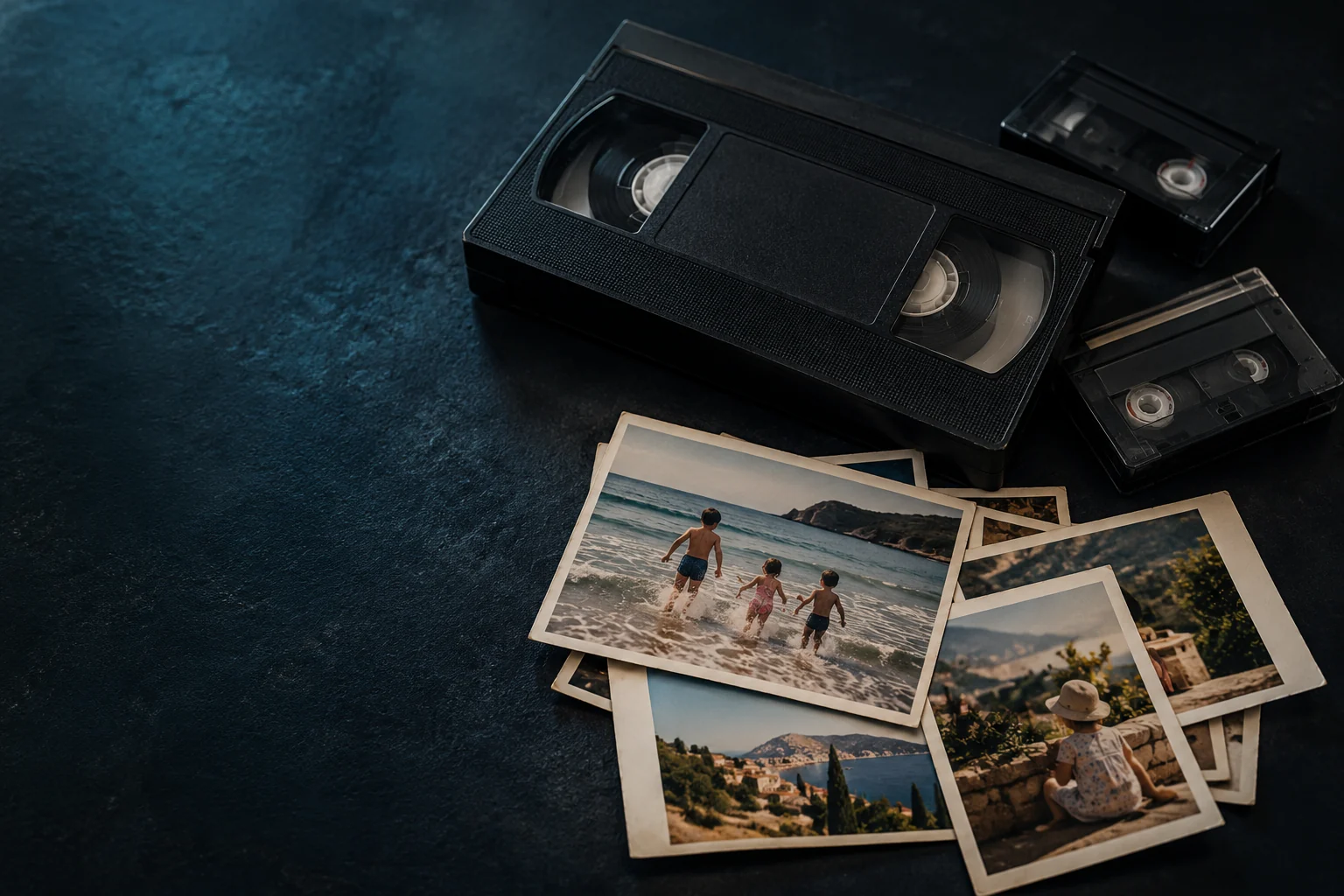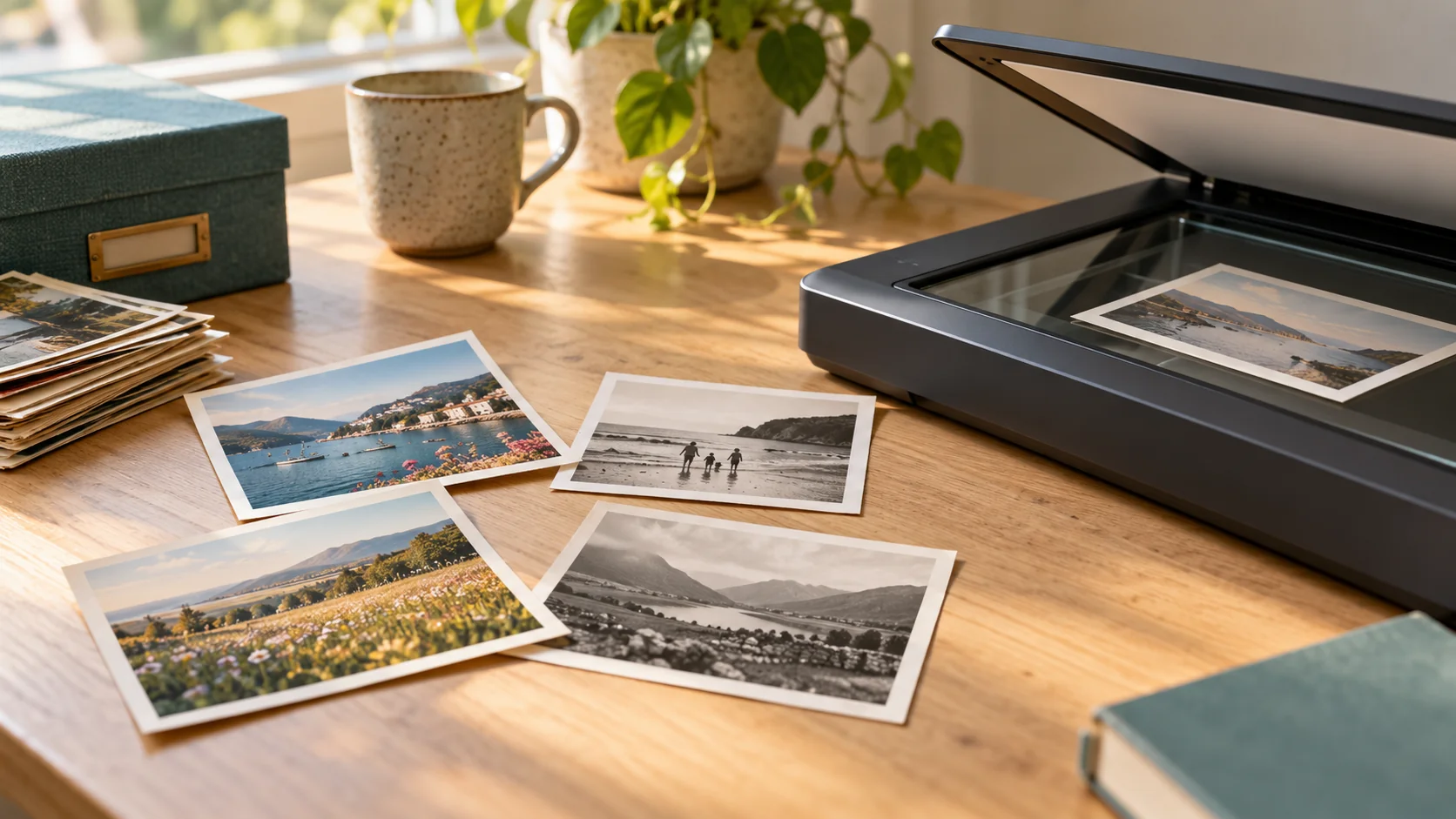
Start with photographs that matter most to your family and would be difficult to replace: a rare picture of a relative, a wedding, an old home or an everyday moment nobody else recorded. Choose a manageable first batch rather than waiting until you can scan everything. If a print is fragile, stuck or damaged, ask for advice before moving it.
Does the oldest photograph always come first?
Not necessarily. Age is one consideration, but a more recent print may be the only photograph you have of someone important.
Try these questions:
- Is this the only copy, or does another relative already have a good digital version?
- Does it show a person, place or event missing from the rest of the collection?
- Is there someone who can still identify the people or explain the occasion?
- Would you particularly like to see or share it again?
The Library of Virginia recommends narrowing a first selection to photographs you most want to revisit or share. Our practical suggestion is to choose one family branch, event or small envelope to begin with—not the whole cupboard.
Should I scan every similar picture?
You do not need to include every near-identical holiday photograph in your first batch. Pick a representative selection, but check before setting the others aside: one may include a different person, a clearer face or useful writing on the back.
Keep the remaining originals for a later batch. “Not first” does not mean “not worth keeping”. The US National Archives recommends retaining originals after digitisation because digital files can also be lost.
How can I preserve the story as well as the picture?
Before the details are forgotten, note names, places, events and approximate dates in a separate list. Distinguish confirmed facts from guesses; write “possibly 1978” rather than turning uncertainty into a definite date.
Give each selected print a reference in your list so its description can be matched to the scan. Do not attach sticky labels to the image surface. If the reverse contains meaningful writing, mention this when enquiring and read our guide to scanning the backs of family photographs.
What if an important print is damaged or stuck?
Treat it as a priority for advice, not a reason to pull it apart or rush it through a scanner.
Do not force rolled photographs flat, peel stuck photographs from album pages, or mend tears with tape or glue. National Archives guidance says to stop if handling appears to be causing damage. Rewind Digital’s standard service covers loose printed photographs; albums, fragile or oversized prints, negatives, slides and restoration need separate confirmation.
Our album-photo guide explains what to check without attempting removal.
How much should I budget for a first batch?
As checked on 1 November 2026, 50 loose photo prints at 40p each give a scanning subtotal of £20, or £30 with the optional £10 USB. There is a £12 minimum order. Format, condition and the final quote are agreed before work starts; see current pricing for any changes.
Rewind Digital offers photo scanning in Tadcaster, with local drop-off and return of originals by appointment. Allow up to one week from the agreed drop-off; the completion date is confirmed with your quote. Mention any anniversary or birthday deadline when you build an estimate and send an order request.